
 bingdada
Most websites hit a growth ceiling after basic SEO optimization. You've done your keyword research, optimized title tags, built some backlinks, but your site's visibility eventually plateaus. Breaking through this bottleneck means adopting techniques that separate average SEO from exceptional SEO. These techniques compound over time and remain effective even as search engines evolve.
This article explores 13 advanced SEO techniques, going beyond the basics and addressing the changes brought by AI-generated search results. Whether you're a seasoned SEO professional or a marketer looking to improve your site's performance, these strategies will help you stay ahead in 2026 and beyond.
Your content's "time to value"—the time it takes for users to derive value from your content—is a critical factor affecting user experience and search engine visibility. Optimizing this metric helps users find what they need faster and enables AI to extract answers from your content more effectively.
Large images, author bios, and lengthy introductions can extend time to value, negatively impacting three core engagement metrics:
While these metrics aren't officially confirmed ranking factors, leaked Google internal documents show that user interactions and signals play a role in search visibility. Additionally, there's evidence that Perplexity uses engagement metrics to rank citations.
How to optimize? Place the most important information at the top of the page, right below the headline. For example, Investopedia's article on "Laissez-Faire Economics" does this well: they provide a definition directly in an image and include a "Key Takeaways" section with a summary. These strategies both provide additional value to readers and help them decide whether to continue reading.
Actionable advice: Review your high-traffic or high-conversion pages. If they don't deliver value immediately, re-optimize them now.
Topic clusters—a set of content centered around the same core theme—enhance your site's authority, thereby improving organic search and AI visibility. Typically, a topic cluster revolves around a pillar page (targeting a broad topic), while the remaining cluster pages focus on more specific subtopics. Each cluster page links to the pillar page and vice versa, forming a networked structure.
AI systems and search engines prefer to cite content from trustworthy websites. Building related topic clusters helps establish authority and credibility in your industry. Think about it: if a website has only one piece of content on a topic, you're unlikely to consider it an expert; but if it has a whole suite of related content, you'll naturally perceive it as knowledgeable.
Recommended tool: Use the Keyword Strategy Builder to turn seed topics into a complete pillar-cluster architecture, mapping search volume and other metrics across the entire cluster. Enter 1-5 seed keywords, click "Create," and you'll get a list of pillar pages and subpages, along with keywords for each. Pick the most relevant topic clusters to build.
Strategic internal linking not only helps search engines better understand your content and site structure but also improves user navigation. Most sites use internal links only for basic SEO needs, but advanced SEO requires additional considerations:
One improvement method is to rely on pages with the most backlinks, as these often carry high authority. Use a backlink analysis tool (like Semrush Backlinks), enter your domain, go to the "Indexed Pages" tab, and sort by "Domains." Identify these high-authority pages and link from them to topically relevant pages that need visibility. Also, carefully consider your anchor text usage.
Tip: Apply this technique immediately after publishing new content to increase its chances of being crawled and indexed.
Maximizing SERP real estate allows your brand to occupy more positions in search results, increasing the likelihood of user attention and clicks. You can achieve this by adding structured data and creating multimedia content.
Structured data (Schema markup): This is code that helps Google better understand your content. With structured data, Google can display rich snippets (e.g., ratings, prices) in search results. For instance, Crate & Barrel is the only site showing structured data in results, so it occupies more SERP space than others. To implement structured data, follow Google's guidelines and choose the correct format for your content type.
Multimedia content: Beyond text, create videos, images, podcasts, and other content formats. Multimedia helps you appear in multiple positions for the same search. For example, for the query "how to vacuum seal without a vacuum sealer," Serious Eats appears both in AI Overviews and in Google's "Images" tab.
Local business exclusive: Create a Google Business Profile, which affects how your business appears in Google Search and Maps.
With the rise of AI-generated search results, optimizing for AI visibility is crucial. AI systems (like Google's SGE or Perplexity) extract information from authoritative websites to generate answers. To be cited by AI, you need to:
Go beyond keywords and delve into user intent. Use tools like Semrush's Keyword Magic Tool to identify informational, navigational, commercial, and transactional intents. Tailor content types to each intent: blog posts or guides for informational intent, product pages or comparison articles for transactional intent.
Search engines increasingly rely on entities (people, places, things) to understand content. Explicitly mention relevant entities in your content and establish relationships between them. For example, an article about "Paris travel" should mention entities like the Eiffel Tower and the Louvre, and use schema markup to connect them.
Experience, Expertise, Authoritativeness, and Trust (E-E-A-T) are central to Google's quality evaluation. Advanced SEO requires:
Regularly update old content to keep it relevant and accurate. Use tools like Semrush's Content Audit to identify outdated content and rewrite it based on the latest data and trends. This not only improves user experience but also signals content freshness to search engines.
Core Web Vitals are quantitative measures of user experience. Ensure your website meets:
Use PageSpeed Insights or Semrush's Site Audit tool for diagnosis and optimization.
With the growing popularity of voice assistants, optimizing for voice search is important. Voice queries tend to be longer and more conversational. Use long-tail keywords and question-and-answer formats to directly answer user questions. For example, embed phrases like "how to" and "what is" in your content.
Brand search volume is a direct reflection of brand awareness and trust. Boost brand visibility through PR, social media, and content marketing. When users search directly for your brand, search engines perceive your site as more relevant.
AI tools (like Semrush's AI Writing Assistant or ChatGPT) can accelerate content creation, keyword research, and data analysis. However, note: AI-generated content requires human review to ensure accuracy and originality. Treat AI as an aid, not a replacement.
SEO in 2026 is no longer about competing on a single tactic but about comprehensive strategy. From improving time to value to building topic clusters, from optimizing AI visibility to leveraging user intent data, each technique gives you a competitive edge. The key is continuous learning, testing, and iteration.
Key takeaways:
Take action now—choose 2-3 techniques from this article to implement, gradually break through growth plateaus, and dominate search in the AI era.
This article is optimized around the keywords "Semrush Blog · GEO / AI Visibility," aiming to provide deep, practical advanced strategies for SEO professionals.
Put your brand in the reader feed
In-article ad slots: high-attention moments perfect for product launches and event recruitment.
SEO & GEO 技术探索者,专注于搜索引擎优化和生成式引擎优化。
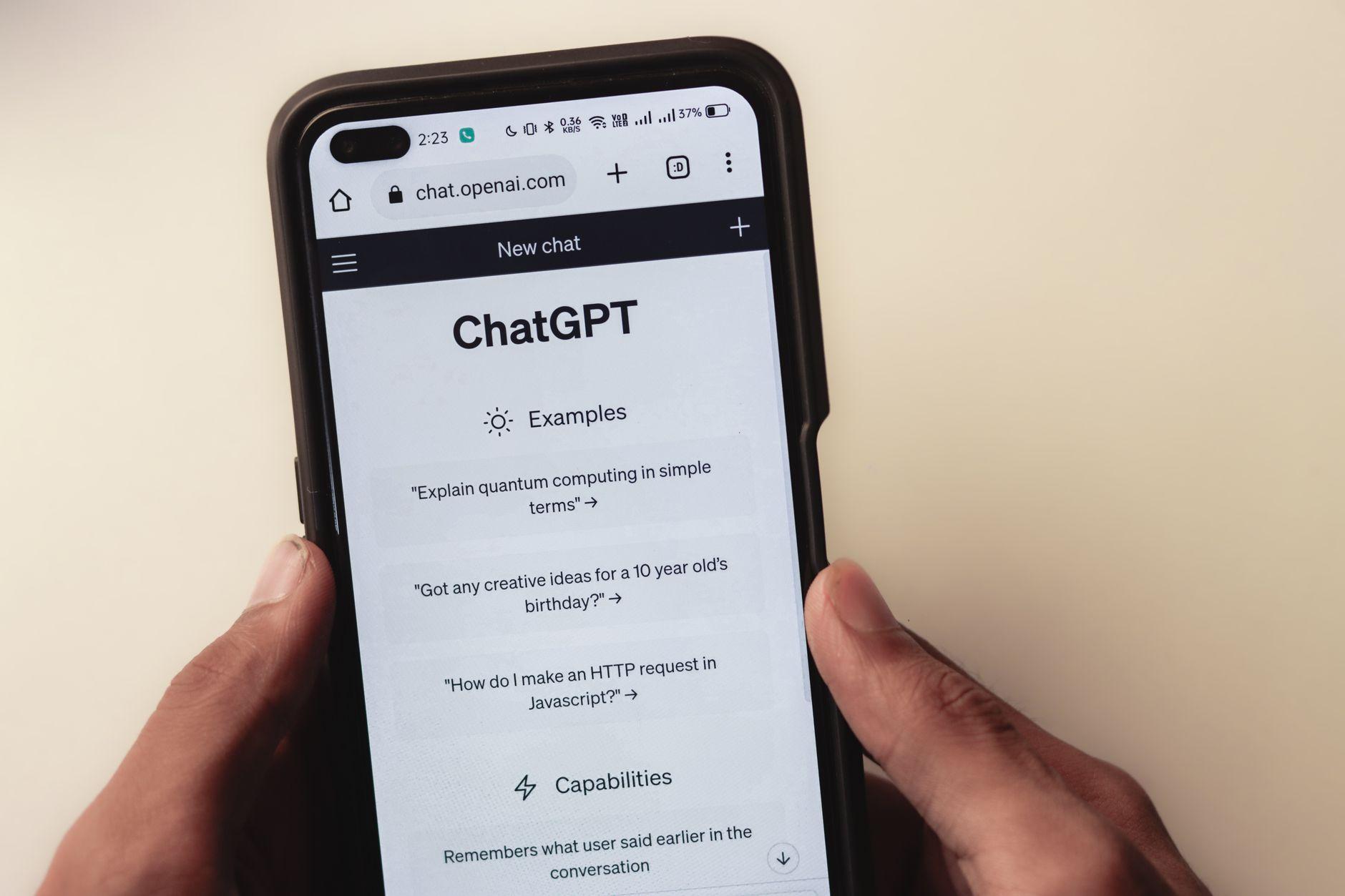
一项预印本研究通过互换等价来源位置发现,AI搜索中来源排序的原始引用差距被页面质量因素严重放大,真实位置效应远小于表面数字,且同输入重跑有15%的结果会翻转。
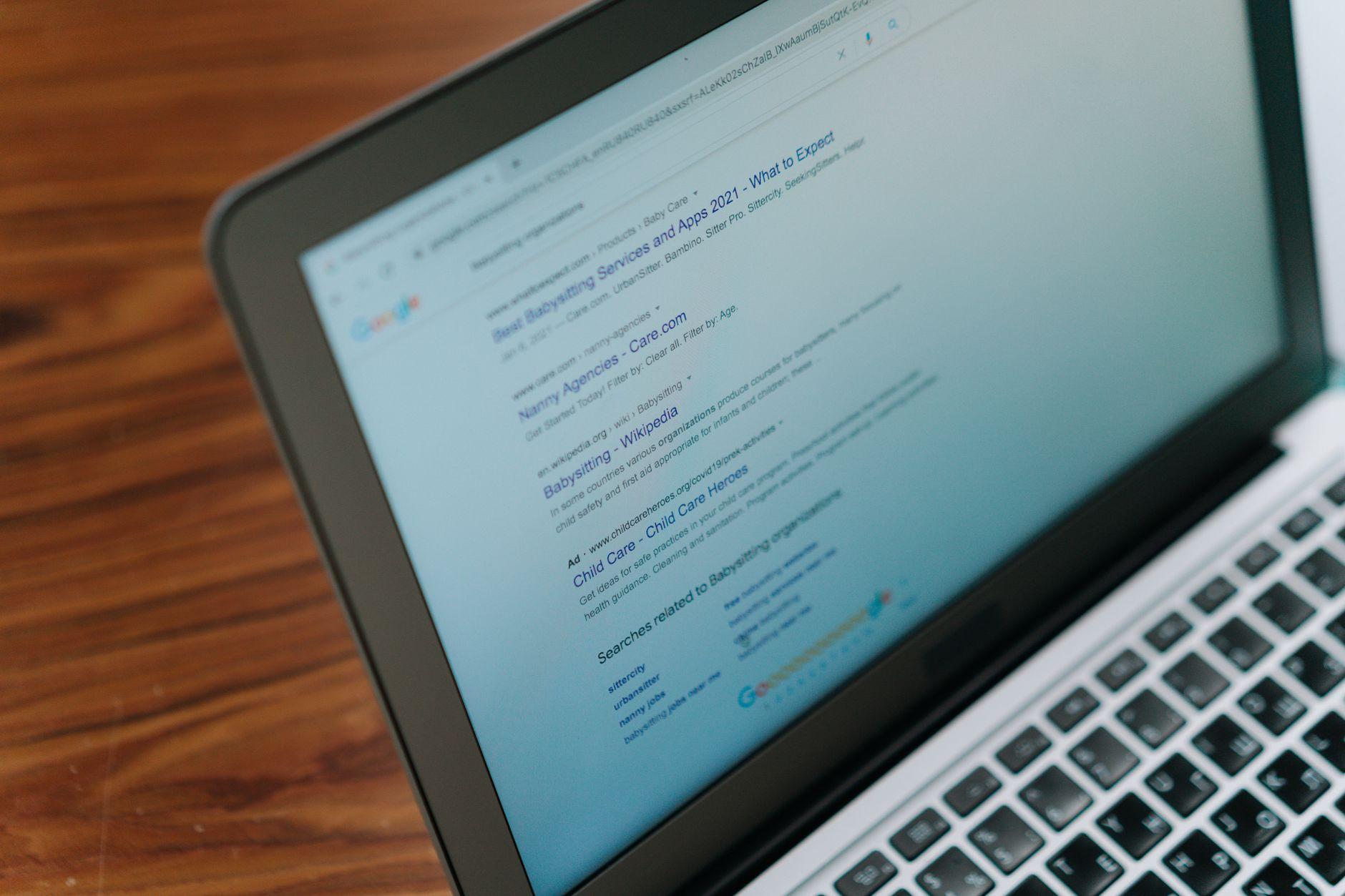
法国上线 AI Overviews 后,高曝光域名点击率 9 天内下跌 23.1%,展示上升而点击消失。本文拆解 Ahrefs 数据、行业差异与国内 GEO 应对思路。
一项覆盖 5 个 AI 模型、12 万次提及的研究显示,AI 推荐本地商家时最看重商家数据、权威性、评价数量和社交信号,品牌规模反而无关紧要。本文拆解这四大因子,并给出多门店品牌本月的行动重点。
Get the latest SEO & GEO insights.
We respect your privacy. You can unsubscribe at any time.
